
The Political Pendulum Through the History of the Church
Augustine's City of God shaped how Christians think about politics and government for centuries. This overview traces key theological perspectives on church-state relations from Augustine through Luther, Calvin, and modern thinkers.
Being Conquered by God
Jacob's wrestle with God at Jabbok reveals a timeless truth: genuine blessing comes only after surrendering our self-reliance to divine conquest.
Articles
God Is Sovereign Over All Politics
A nation's blessing depends on recognizing God not just as a person but as Lord over its governance. Scripture reveals God's active involvement in politics from Genesis to Revelation, establishing standards for laws and leadership.
How to Help Children Form Good Habits
Character forms through repetition and positive reinforcement. Start early with children—it's easier to build good habits from scratch than to correct bad ones later.
5 Elements of Helping Your Son Become a Child of God
Teaching your son about God requires more than John 3:16—it starts with understanding God as sovereign Creator, holy standard-giver, and just judge before His love truly makes sense.
Questions
Who Wrote the Book of Exodus?
Moses is traditionally credited as the author of Exodus, supported by internal evidence, Old Testament references, and New Testament affirmations of his authorship.
Why Does God Seem Different in the Old and New Testaments?
The "eye for an eye" law was actually designed to restrain vengeance, not promote it—requiring judicial process and proportional punishment rather than personal retaliation.
When Was the Book of Exodus Written?
The debate over when the exodus occurred centers on two possible dates: an early date around 1446 BC supported by biblical texts, or a late date during Raamses II's reign based on archaeological evidence.
Bible Insights by Email
By subscribing, you agree to Bible to Life's Privacy Policy and Terms and Conditions.

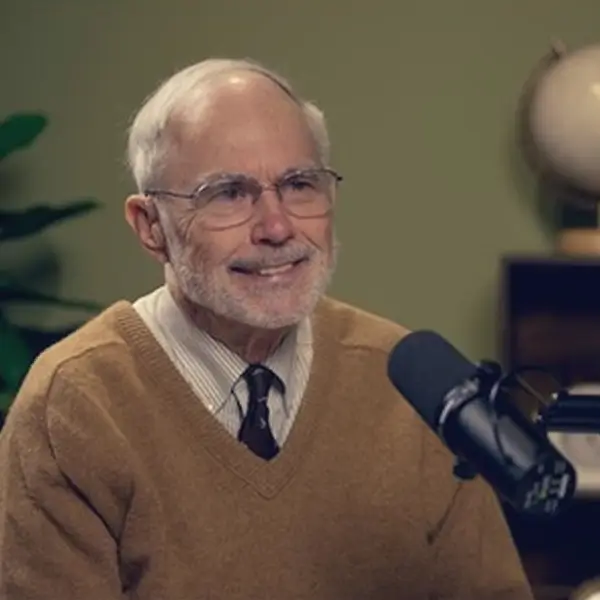
Quiet Time with Dr. Ron Sauer
Join discipleship expert Dr. Ron Sauer and co-host Sullivan Williams for a weekly deep-dive conversation on the essentials of Christian living. With over 40 years of practical ministry experience as a Bible college professor, local pastor, and Marine Corps combat veteran, Dr. Sauer provides a timeless perspective on what it means to love God with all of your heart, soul, mind, and strength.

Explore Perspectives
Books


